Great frigatebirds can sleep while flying over the ocean.
Why this sounds fake
Sleep sounds like loss of control, so doing it while flying over open ocean feels like a crash risk.
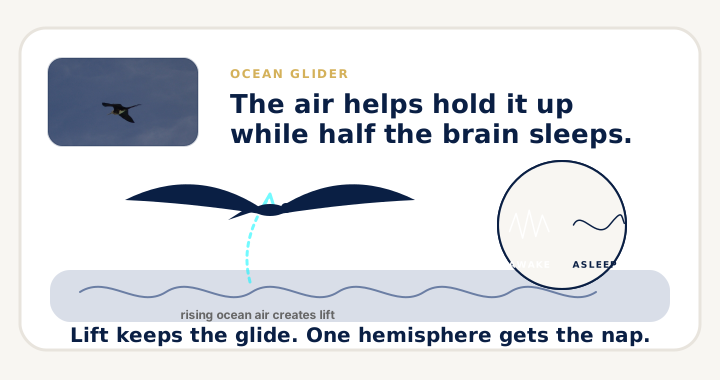
Sleep and flight sound like mutually exclusive activities. Great frigatebirds make them overlap. Researchers recorded brain activity from birds on long ocean flights and found slow-wave sleep in flight, sometimes one hemisphere at a time and sometimes both together. The sleep was extremely limited, averaging about 45 minutes per day in short bursts, often while the birds circled in rising air. On land, they slept far more. So the fact is not that they fly around deeply asleep for hours. It is that a bird can take tiny neurological naps without falling out of the sky.
The key is not just half-sleep; lift keeps the glide while one side of the brain gets the nap.
1 discovery explored