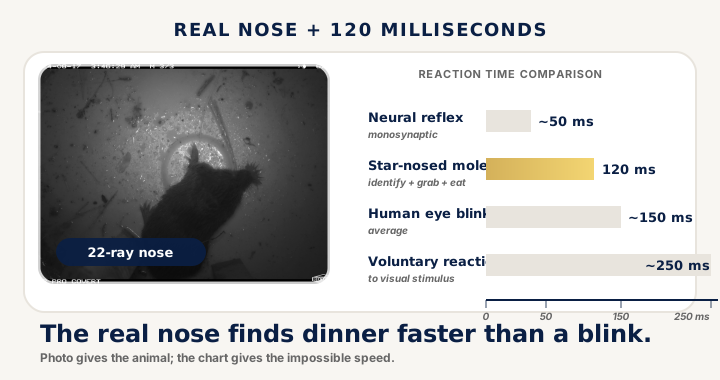
Star-nosed moles can identify and eat prey in about 120 milliseconds.
Why this sounds fake
Identifying, grabbing, and eating prey sounds like a multi-step action that should take longer than a blink.
Eating feels slow compared with a blink: find food, decide it is food, grab it, bite, swallow, move on. The star-nosed mole compresses that sequence almost absurdly. Research reported handling times as short as 120 milliseconds for identifying and eating small prey. Its star-shaped nose is packed with sensitive touch organs that let it sample the world at high speed. The mole is not chewing a steak in a tenth of a second; it is processing tiny prey items at a speed that pushes mammal foraging to an edge. The body plan is built around rapid decisions.
The animal looks impossible first; the timing chart makes the meal even stranger.
1 discovery explored